
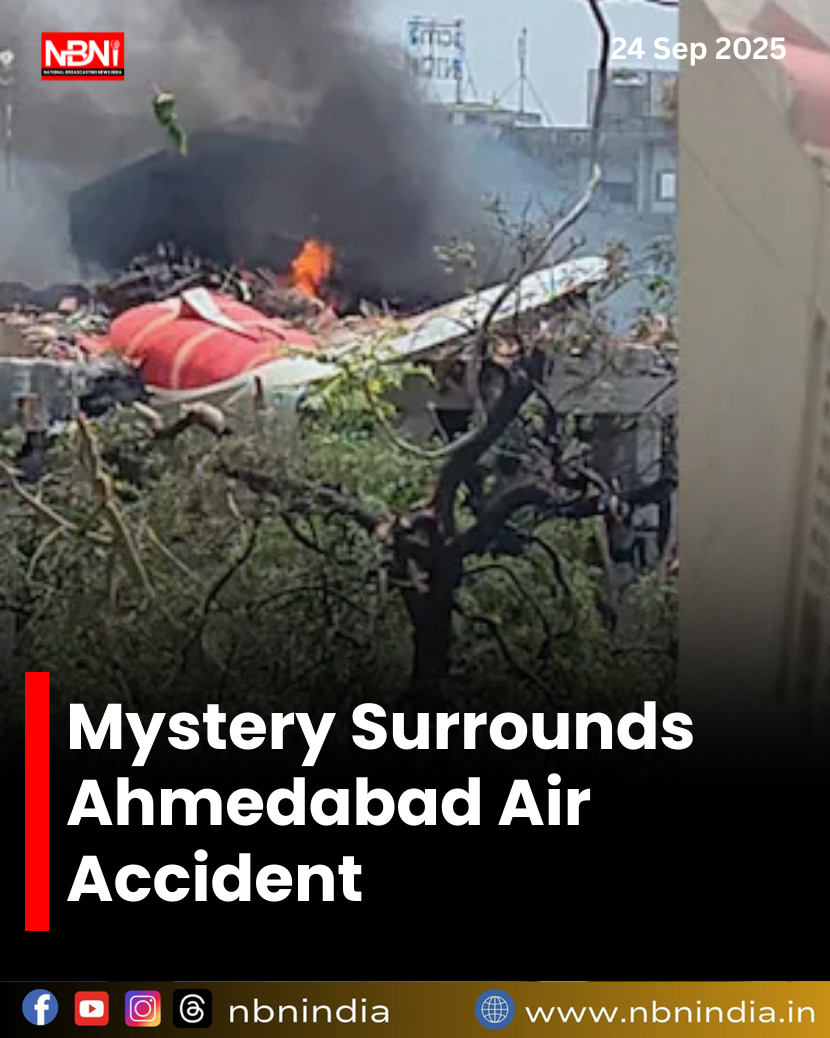
The Air India 171 air crash in Ahmedabad last June goes beyond a simple technical malfunction, raising critical questions about global aviation safety standards. When a modern aircraft plunged from the sky just minutes after takeoff, the public believed it was a technical failure. However, as the investigation progresses, it’s becoming clear that the disaster may not have been caused by a single faulty part, but rather by an aviation culture that ignores known risks.
According to preliminary reports, the crash was caused by the fuel supply to the engines being cut off. The investigation suggests this happened because the fuel control switch was moved from the ‘run’ position to the ‘cut-off’ position. It remains a mystery how a switch, which is a critical part of the aircraft, was designed in a way that it could be accidentally activated, yet still receive approval from international aviation authorities.
The investigation is revealing not just a technical error, but a system that prioritizes profit and procedure over safety. This tragedy serves as a stark reminder that engineering excellence alone is not enough for aviation safety; continuous vigilance is essential. A comprehensive investigation is necessary to ensure justice for the victims and to prevent such disasters from happening again in the future.
What's your reaction?